
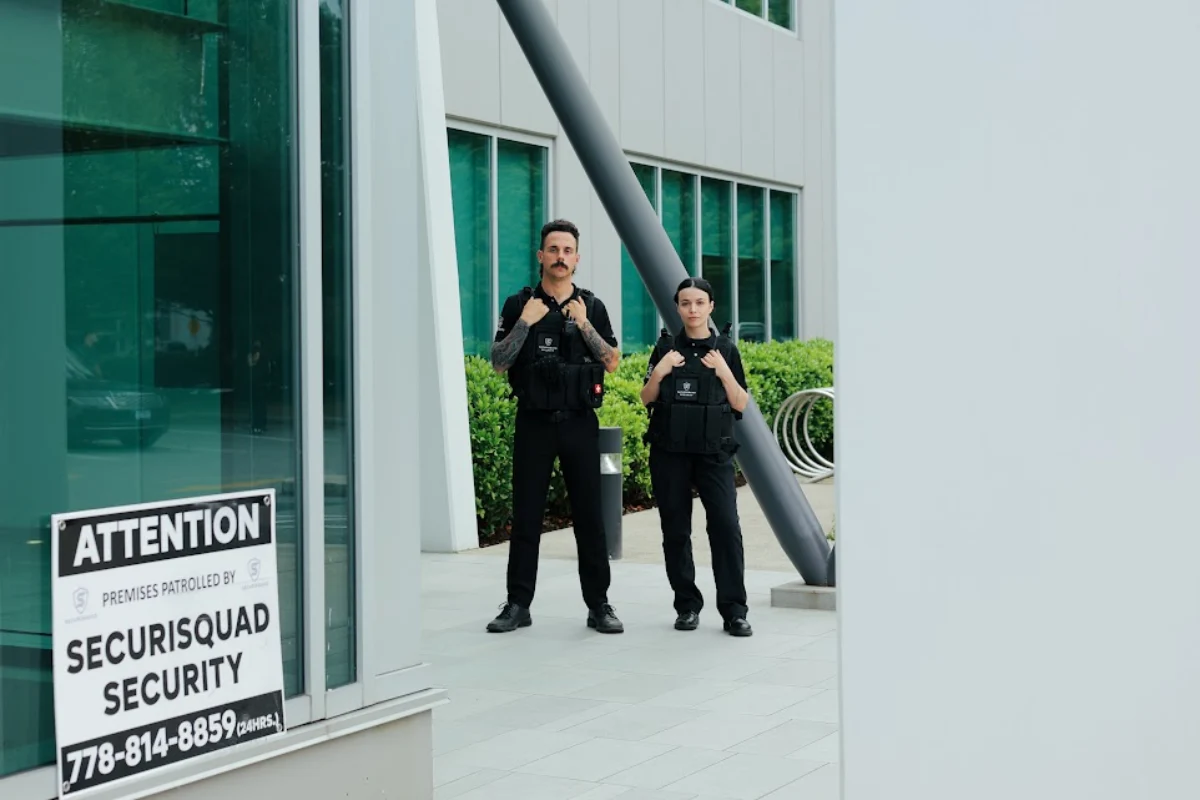
Quick Answer: Vancouver retailers can strengthen loss prevention during peak shopping hours by identifying high-risk store areas, adjusting security coverage to customer traffic, monitoring inventory discrepancies, improving employee awareness and establishing clear incident-response procedures. Combining trained retail security personnel with surveillance systems and proactive risk assessments helps businesses reduce theft opportunities without disrupting the customer shopping experience.
Why Do Peak Shopping Hours Create Greater Retail Security Challenges?
Busy retail periods introduce operational pressures that can make theft prevention more complicated. Employees may be occupied with checkout queues, customer questions, merchandise replenishment and fitting room assistance, leaving less time to observe unusual activity.
Several factors can increase security vulnerabilities:
- Reduced staff visibility: Employees managing multiple responsibilities may struggle to monitor different store sections.
- Increased merchandise movement: High customer activity makes it more difficult to identify missing or misplaced products immediately.
- Crowded entrances and exits: Heavy foot traffic can complicate access monitoring and security observation.
- Limited attention to high-value products: Valuable merchandise may receive less attention when staff are occupied elsewhere.
- Delayed incident reporting: Busy employees may not have enough time to communicate security concerns promptly.
Retailers need a security strategy that accounts for these conditions instead of relying on the same coverage arrangements throughout the day.
1. Map Retail Security Risks According to Customer Traffic
A store’s security requirements can change considerably between quiet morning hours and busy afternoon or evening periods. Retailers should assess how customer movement affects visibility, merchandise access and employee responsibilities.
Start by reviewing historical sales activity, staffing schedules, incident reports and customer traffic patterns. This information can help management identify when additional security attention may be necessary.
A practical retail risk assessment should examine:
| Store Area | Potential Security Concern | Recommended Control |
|---|---|---|
| Main entrances | Unmonitored movement during busy periods | Visible security presence and clear observation |
| High-value displays | Increased exposure to merchandise theft | Strategic product placement and monitoring |
| Fitting room surroundings | Merchandise movement outside normal checkout procedures | Consistent staff awareness and appropriate monitoring |
| Checkout counters | Distractions and transaction-related discrepancies | Clear employee responsibilities and transaction controls |
| Stockrooms | Unauthorized access to inventory | Restricted access and inventory records |
A structured Loss Prevention Services Vancouver approach can help retailers identify vulnerabilities and develop security arrangements based on the specific needs of their properties.
2. Position Retail Security Personnel Where They Add the Most Value
Security coverage should be based on risk exposure rather than simply assigning personnel to fixed positions.
For example, an entrance may require a visible security presence during periods of heavy customer movement, while high-value merchandise sections may need additional observation at different times.
Professional retail security personnel can support store operations by:
- Maintaining awareness of customer movement and activity in vulnerable areas.
- Observing unusual behaviour without making assumptions based on appearance.
- Supporting employees when disruptive or concerning situations arise.
- Communicating incidents to store management through established procedures.
- Helping maintain orderly access and safe movement around the property.
The appropriate arrangement depends on store size, staffing levels, merchandise value and the nature of identified security risks.
A visible, professional presence can discourage opportunistic theft while helping customers feel comfortable in the store.
3. Use Inventory Discrepancies to Identify Recurring Theft Risks
One of the most overlooked aspects of retail loss prevention is the relationship between inventory management and physical security.
A missing product does not automatically indicate shoplifting. Discrepancies may also result from receiving errors, incorrect stock counts, damaged goods, returns or transaction mistakes. Retailers need to investigate these differences rather than treating every missing item as a security incident.
Businesses can improve inventory monitoring by:
- Reviewing stock discrepancies involving high-value merchandise.
- Comparing physical inventory with point-of-sale records.
- Recording damaged, returned and transferred products accurately.
- Monitoring repeated losses involving the same product categories.
- Reviewing storage and merchandise access procedures.
When these records are considered alongside security incident reports, managers can identify recurring patterns and determine where additional controls may be appropriate.
4. Improve Employee Awareness Through Clear Security Responsibilities
Retail employees are an important part of a store’s loss-prevention process, but they should not be expected to act as security professionals.
During peak shopping periods, employees need clear instructions about what to observe, how to communicate concerns and when to involve trained security personnel.
Effective staff procedures should cover:
- Recognizing unusual activity without profiling customers.
- Reporting concerns through designated communication channels.
- Understanding who is responsible for contacting security personnel.
- Avoiding physical confrontation or unauthorized searches.
- Following procedures for documenting incidents and preserving relevant information.
Managers should also establish clear responsibilities for employees working near fitting rooms, checkout counters and high-value product displays.
These measures help prevent confusion during busy periods and allow employees to focus on customer service.
5. Make Surveillance Systems Part of a Wider Security Plan
Security cameras can provide useful information about store activity, but their value depends on coverage quality, maintenance, and appropriate review procedures.
Retailers should periodically examine whether their surveillance arrangements cover important areas without compromising customer privacy.
Important considerations include:
- Camera positioning: Check for blind spots around entrances, exits and merchandise displays.
- Image quality: Confirm that recorded footage is clear enough for its intended security purpose.
- System maintenance: Review equipment performance, storage capacity and recording continuity.
- Authorized access: Restrict footage access to designated personnel.
- Incident documentation: Follow established procedures for retaining and reviewing relevant recordings.
Surveillance should complement trained security personnel, employee awareness and inventory controls. It should not be treated as a complete replacement for on-site security coverage.
6. Establish a Consistent Incident Response and Reporting Process
Retailers should not wait until a major theft or disturbance occurs to decide how employees and security personnel will communicate.
A clear incident-response process helps everyone understand their responsibilities and reduces confusion when immediate action is required.
A practical process includes:
- Identify: Observe and assess the situation without making assumptions.
- Communicate: Notify the appropriate security professional or store supervisor.
- Respond: Follow established procedures and prioritize the safety of customers and employees.
- Document: Record relevant observations, timing and actions taken.
- Review: Examine the incident to identify security gaps and opportunities for improvement.
Retailers should ensure that employees understand when to escalate an incident and when emergency services may be required. Suspected shoplifting should never justify unsafe confrontation.
Consistent reporting also helps management compare incidents across different shifts and locations.
7. Select Security Coverage Based on Your Store’s Operating Requirements
Not every retail property requires the same security arrangement. A neighbourhood boutique, a high-volume clothing store and a large shopping centre may have very different staffing requirements, merchandise risks and customer movement patterns.
When evaluating a security company Vancouver retailers can rely on, businesses should look beyond the number of guards available. The provider should understand retail operations and be able to recommend suitable coverage based on identified risks.
Consider these factors:
- Experience with retail and customer-facing security environments.
- Professional conduct and communication skills.
- Clear incident-reporting and escalation procedures.
- Ability to recommend appropriate security coverage.
- Flexibility during extended operating hours and high-traffic periods.
Retailers should also evaluate whether the provider can coordinate with store management and adapt coverage when operating conditions change.
Reliable security guard services Canada businesses consider should emphasize trained personnel, responsible customer interaction and compliance with applicable provincial licensing requirements.
8. Review Security Performance After Every Peak Shopping Period
Loss prevention should be treated as an ongoing operational process rather than a one-time seasonal preparation exercise.
After busy shopping periods, managers should evaluate whether existing security measures performed as expected.
A useful review can include:
- Comparing reported incidents across different operating hours.
- Reviewing inventory discrepancies and recurring merchandise losses.
- Identifying areas where security coverage was insufficient.
- Assessing communication between employees and security personnel.
- Checking whether surveillance equipment and reporting procedures worked effectively.
Retailers can use these findings to improve future staffing arrangements, adjust merchandise placement and strengthen security procedures.
This approach makes security planning more responsive to actual store conditions instead of relying on assumptions about where theft is most likely to occur.
Strengthen Your Retail Loss Prevention Strategy with SecuriSquad
Protecting a retail property during peak shopping hours requires more than a visible security presence. Businesses need trained professionals who understand customer-facing environments, recognize potential security concerns and follow clear procedures when incidents occur.
Securisquad Services LTD offers professional security solutions, including retail security, uniformed security services, mobile patrols and other security services designed around business and property protection needs.
Whether you operate a busy retail store, manage multiple commercial locations or need additional security coverage during high-traffic periods, SecuriSquad can help you assess your requirements and explore an appropriate security arrangement.
Contact Securisquad Services LTD to discuss your retail security concerns, request a tailored security assessment and determine how professional security support can strengthen your loss-prevention strategy in Vancouver.
Frequently Asked Questions
What is the most effective way to reduce shoplifting during peak shopping hours?
A combination of visible security personnel, employee awareness, strategic merchandise placement, inventory monitoring and clear incident-reporting procedures can help reduce shoplifting opportunities. The right combination depends on the store’s layout and risk profile.
Which retail areas should receive additional security attention?
Entrances, exits, high-value merchandise displays, checkout counters, fitting room surroundings and stockrooms may require additional attention. Retailers should prioritize areas based on their individual security assessments.
How can professional security guards support retail loss prevention?
Security guards can maintain a visible presence, observe store activity, assist employees, respond to disturbances and communicate incidents to management. Their responsibilities should follow the retailer’s established security procedures.
Can small Vancouver retailers benefit from professional loss prevention services?
Yes. Smaller retailers can also experience merchandise losses and security challenges. A suitable security plan can be developed according to store size, operating hours, merchandise value and identified risks.
When should retailers increase their security coverage?
Retailers should consider reviewing coverage before seasonal shopping periods, promotional events, extended operating hours and other periods when customer traffic increases. Security arrangements should also be reassessed following recurring incidents or significant operational changes.