
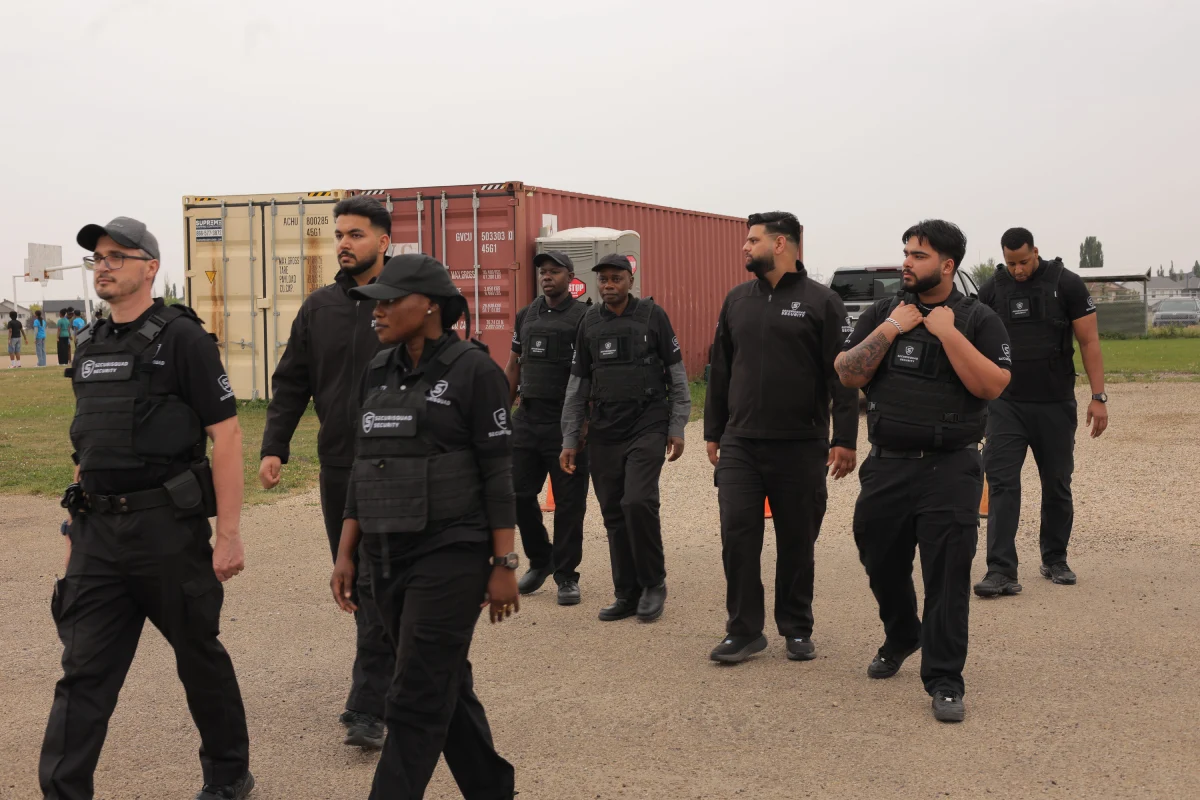
Retail theft is not always obvious when it happens. A store may experience repeated inventory discrepancies, unexplained product shortages or recurring incidents involving high-value merchandise without immediately identifying the cause. For Vancouver retailers, these warning signs can indicate a need to review existing loss prevention procedures.
While staff training, inventory controls and CCTV systems all contribute to retail security, some businesses need additional support from trained loss prevention professionals. The right time to bring in that support depends on the frequency of incidents, the value of goods at risk and the effectiveness of current security measures.
Understanding when to hire professional Loss Prevention Services Vancouver retailers can rely on helps businesses address recurring problems before they become more difficult to manage.
The Short Answer: When Should Retailers Hire Loss Prevention Professionals?
A Vancouver business should consider professional retail loss prevention services when theft incidents become frequent, inventory discrepancies remain unexplained, existing security measures are not producing results or employees regularly face difficult situations involving suspected theft.
Other warning signs include:
- Repeated shortages of high-value products.
- Increasing shoplifting incidents or suspicious activity.
- Inventory records that regularly fail to match physical stock.
- Blind spots or gaps in existing store security procedures.
- Employees who lack clear guidance for responding to suspected theft.
- Difficulty identifying patterns behind recurring losses.
Hiring loss prevention professionals does not mean every store has a serious security problem. It means the business has identified risks that require a more structured and specialised response.
1. Inventory Losses Keep Returning Without a Clear Explanation
Inventory discrepancies are among the most important reasons to review loss prevention arrangements.
When stock records repeatedly differ from physical counts, retailers need to establish whether the cause is theft, receiving errors, incorrect product handling, recording mistakes or another operational issue.
For example, a Vancouver electronics retailer might discover that certain accessories repeatedly go missing even after routine stock checks. Simply increasing the frequency of inventory counts may identify the problem without explaining why it continues.
Professional loss prevention support can help businesses review risk areas, identify recurring patterns and improve procedures for monitoring merchandise.
A structured review may include:
- Comparing inventory records with physical stock counts.
- Reviewing product categories with recurring discrepancies.
- Examining existing security procedures and surveillance coverage.
- Identifying weaknesses in stockroom access and merchandise handling.
- Establishing a process for documenting incidents and reviewing trends.
The goal is to understand the causes of loss and introduce practical measures to reduce future incidents.
2. Shoplifting Incidents Are Becoming More Frequent
An occasional suspected theft may prompt a store to review its procedures. Repeated incidents involving similar products, locations or circumstances suggest that a more systematic response may be needed.
Retailers should pay attention to documented incidents, recurring patterns and whether existing deterrence measures are effective.
For example, a clothing store in Vancouver may notice repeated losses from a particular section of the sales floor. Staff might already be monitoring the area, but inconsistent visibility or unclear response procedures could leave important gaps.
Professional loss prevention officers can provide a trained security presence, observe relevant areas and follow established procedures when incidents occur.
Businesses should not rely on assumptions about a customer’s appearance or behaviour. Loss prevention decisions should be based on observable conduct, appropriate evidence and lawful procedures.
3. CCTV Is Installed, but Security Gaps Remain
CCTV can support incident reviews and help security teams understand what happened in a particular area. However, cameras alone do not guarantee that every incident will be prevented or immediately addressed.
A camera may capture an event without anyone monitoring the footage in real time. Poor camera positioning, obstructed views or unclear escalation procedures can also limit its usefulness.
When repeated incidents continue despite an existing CCTV system, retailers should assess how their technology and on-site procedures work together.
Professional loss prevention services can complement surveillance by helping businesses identify high-risk areas, strengthen incident reporting and establish clearer response procedures.
The best approach is not necessarily to install more cameras. It is to understand whether the current system provides useful coverage and whether staff know how to act on relevant observations.
4. Employees Are Spending Too Much Time Handling Security Incidents
Retail employees are primarily responsible for serving customers, maintaining displays, processing transactions and supporting daily store operations. When suspected theft repeatedly interrupts these duties, the business may need dedicated loss prevention support.
Employees who are unsure how to respond to a suspected incident may also face unnecessary confrontation or inconsistent decision-making.
A professional loss prevention team can help establish appropriate reporting and escalation procedures, allowing store employees to concentrate on their responsibilities while security personnel handle assigned security tasks.
For Vancouver retailers, this can be especially valuable during busy shopping periods when customer service demands and security concerns occur simultaneously.
Businesses should ensure that employees understand when to report an incident, whom to contact and why they should avoid unsafe confrontations.
5. High-Value Merchandise Needs More Focused Protection
Some products are more attractive targets for theft because they are valuable, easy to carry or simple to resell. Depending on the retailer, these may include electronics, cosmetics, designer accessories, small appliances or specialised equipment.
If losses repeatedly involve particular products, the business should review how those items are displayed, stored and monitored.
A professional loss prevention assessment may identify opportunities to improve product placement, restrict access to selected stock, adjust surveillance coverage or introduce more consistent monitoring procedures.
For instance, a Vancouver retailer selling premium electronics may decide that selected products require additional attention during peak customer traffic. The appropriate measures will depend on the store layout, merchandise value and documented risks.
The aim is to protect inventory without creating unnecessary barriers for genuine customers.
6. Store Staff Need Clear Procedures for Suspected Theft
Unclear procedures can make an already difficult situation more complicated.
If employees do not know whom to notify, what information to record or when to escalate an incident, responses may vary from one shift to another. This can make it harder to review events and identify recurring problems.
Professional loss prevention support can help businesses establish consistent procedures for observation, reporting, communication and incident documentation.
These procedures should explain employees’ responsibilities, the role of security personnel and the circumstances in which management or law enforcement should be contacted.
Staff should never be expected to place themselves at unnecessary risk to protect merchandise. Any intervention must follow applicable laws, company policy and appropriate training.
7. Existing Security Measures Have Not Reduced Recurring Losses
Many retailers already use a combination of CCTV, inventory checks, staff awareness and access controls. However, having several measures in place does not automatically mean they are working effectively together.
If incidents continue, the business should assess whether its current approach addresses the actual causes of loss.
A professional review can examine:
- Whether security procedures reflect the store’s current risks.
- Whether incident reports are complete and consistently maintained.
- Whether known problem areas receive appropriate attention.
- Whether staff understand reporting and escalation procedures.
- Whether previous corrective actions have improved outcomes.
This process helps management make decisions based on documented problems rather than repeatedly introducing measures without evaluating their effectiveness.
8. What Should Vancouver Businesses Look for in a Loss Prevention Provider?
Choosing a provider involves more than arranging for someone to be present in a store. Retailers should look for a service that matches their business environment, risk profile and operational requirements.
When comparing Loss Prevention Services providers, businesses should consider the following factors.
Relevant experience: Ask whether the provider understands retail environments, merchandise protection, incident documentation and the challenges associated with customer-facing security.
Licensing and training: Verify the applicable security business and individual officer licensing requirements in British Columbia.
Clear responsibilities: Establish what officers will monitor, how incidents will be documented and when matters will be escalated to store management.
Communication and reporting: Confirm how the provider communicates incidents, records observations and shares information with authorised management personnel.
Service suitability: Discuss store size, operating hours, merchandise risks and the level of coverage required before deciding on a service arrangement.
When selecting a Security Company Vancouver retailers can work with, businesses should prioritise clear procedures, appropriate qualifications and a service plan suited to their actual needs.
9. When Is the Right Time to Take Action?
Retailers do not need to wait until losses become severe before reviewing their security arrangements. Repeated discrepancies, recurring theft reports or persistent gaps in existing procedures are reasonable grounds for an assessment.
Start by documenting incidents, reviewing stock records and identifying where problems occur most frequently. This gives management a clearer picture of whether the issue relates to inventory processes, store layout, security coverage or several factors together.
If internal measures do not resolve the problem, professional loss prevention support may help the business establish a more consistent approach.
The objective is not simply to react to individual incidents. It is to understand the underlying risks, improve prevention procedures and create a safer, more organised retail environment.
Protect Your Retail Business with SecuriSquad
Recurring inventory losses and shoplifting incidents can create operational challenges for retailers, particularly when existing procedures are not identifying the cause. Recognising warning signs early gives businesses an opportunity to review their approach before the problem continues.
SecuriSquad provides security services, including loss prevention and Security Guard Services Canada, to support businesses with their security requirements. Retailers can discuss their concerns, current procedures and coverage needs to determine which professional support may be appropriate.
If your Vancouver store is experiencing recurring inventory discrepancies or retail theft concerns, contact SecuriSquad to discuss its Loss Prevention Services and explore a security approach suited to your business.
Frequently Asked Questions
When should a Vancouver retailer hire professional loss prevention services?
A retailer should consider professional support when inventory discrepancies recur, shoplifting incidents increase, high-value products repeatedly go missing or existing security procedures fail to address identified risks.
Can loss prevention services help reduce inventory shrinkage?
Professional loss prevention services can help businesses identify recurring loss patterns, review security procedures and improve incident reporting. Results depend on the causes of shrinkage and the measures implemented.
Are CCTV cameras enough to prevent retail theft?
No. CCTV can support monitoring and incident investigations, but it does not guarantee theft prevention. Camera coverage, staff procedures, inventory controls and appropriate security personnel may all contribute to a stronger loss prevention strategy.
What is the difference between retail security and loss prevention?
Retail security generally focuses on protecting people, premises and property. Loss prevention focuses more specifically on identifying and reducing losses associated with theft, inventory discrepancies and weaknesses in business procedures. The responsibilities can overlap.
How can Vancouver businesses choose a suitable loss prevention provider?
Businesses should assess the provider’s relevant experience, licensing, officer training, reporting procedures, communication practices and ability to meet their store’s specific security requirements. They should also clarify the scope of services before entering an agreement.