
Choosing the right security model is an important decision for Vancouver businesses, property managers, construction sites, retail locations, and residential communities. Two common options are mobile patrol and static security, but they are designed to address different types of security risks.
Static security places a security professional at a specific location for a defined period, while mobile patrol involves trained personnel travelling between locations or conducting scheduled and randomized patrols. The better option depends on factors such as property size, operating hours, risk level, access points, and whether the site needs a continuous physical presence.
Understanding the difference can help property owners and managers choose a security strategy that provides practical coverage without paying for services that do not match the property’s actual needs.
What Is Static Security?
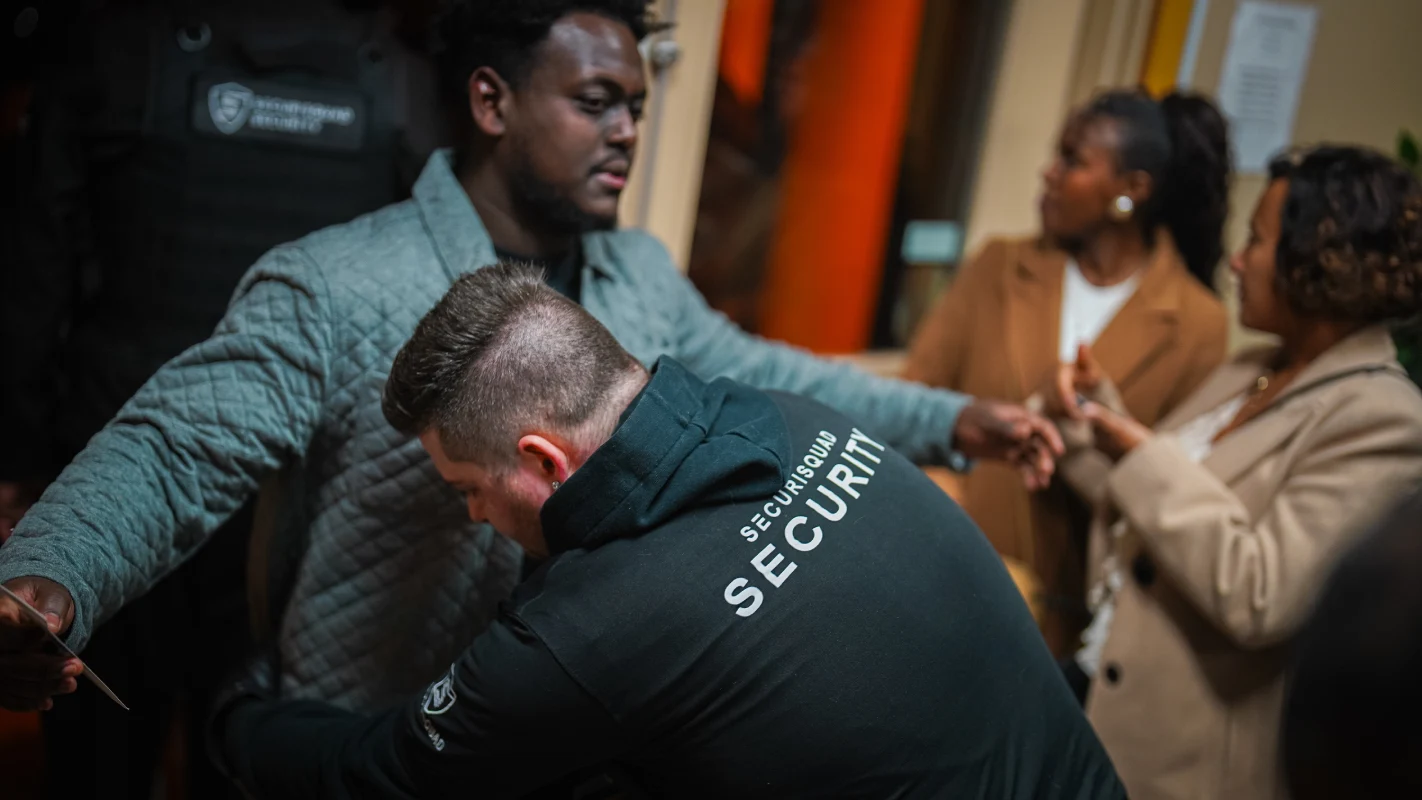
Static security, sometimes called stationary or posted security, involves a security professional remaining at a designated location for an agreed period.
The guard may be positioned at a building entrance, reception area, construction site, retail property, commercial facility, or another high-priority location.
Typical responsibilities can include:
- Monitoring entrances and exits
- Controlling or verifying access
- Observing activity around the property
- Conducting visitor checks
- Monitoring surveillance systems
- Responding to incidents
- Completing security reports
- Supporting emergency procedures
- Deterring unauthorized activity
The main advantage is continuous on-site presence. When a property requires someone to be physically available throughout operating hours or overnight, static security can provide a strong layer of protection.
What Is Mobile Patrol Security?
Mobile patrol security uses trained security personnel who travel to one or multiple properties in a marked or identifiable patrol vehicle.
Instead of remaining at one post for an entire shift, patrol officers move throughout assigned areas and perform scheduled, randomized, or response-based checks.
Depending on the site and security plan, patrols may involve:
- Exterior property inspections
- Perimeter checks
- Door and gate inspections
- Parking area monitoring
- Alarm response
- Lock and unlock services
- Investigation of suspicious activity
- Incident documentation
- After-hours property checks
- Response to client requests
Mobile Patrol Services Vancouver businesses use can be particularly useful when a property needs regular security presence but does not necessarily require a guard to remain at one location continuously.
Mobile Patrol vs. Static Security: What Is the Key Difference?
The biggest difference is how security coverage is delivered.
Static security provides a continuous physical presence at a specific location. Mobile patrol provides flexible coverage through movement between designated areas or properties.
For example, a busy commercial building with frequent visitors may benefit from a stationary guard monitoring access throughout the day. A large commercial property, industrial site, or collection of properties may benefit more from patrol officers conducting regular checks and responding to incidents.
Neither model is automatically better. The right choice depends on the property’s risk profile and operational requirements.
When Is Static Security the Better Choice?
Static security is generally more appropriate when constant on-site observation is important.
High-Traffic Commercial Buildings
Buildings with frequent employees, visitors, contractors, and deliveries may benefit from having a security professional at the entrance.
Access-Controlled Properties
If a property needs continuous access verification, visitor management, or monitoring of entry points, a stationary guard can provide direct oversight.
Construction Sites With Valuable Equipment
Construction sites may have expensive tools, machinery, materials, and equipment that require ongoing observation, particularly outside normal operating hours.
High-Risk Locations
Properties facing elevated security concerns may require a constant security presence rather than periodic patrols.
Residential and Mixed-Use Properties
Some larger residential or mixed-use properties may require security personnel to monitor entrances, common areas, visitors, deliveries, or building activity.
When Is Mobile Patrol the Better Choice?
Mobile patrol can be more practical when a property needs recurring security checks rather than continuous on-site staffing.
Large Properties
A patrol officer can cover multiple areas of a large property during scheduled rounds, helping identify unusual activity, access issues, property damage, or other concerns.
Multiple Locations
Businesses operating several nearby properties can use patrol services to create a broader security presence across different sites.
After-Hours Protection
Mobile patrol can provide overnight and off-hours inspections when a property has limited activity and does not need a guard stationed there continuously.
Parking Lots and Parkades
Patrol officers can inspect parking areas, entrances, exits, and surrounding property for suspicious activity or security concerns.
Construction and Vacant Properties
Periodic patrols can provide a visible deterrent and help identify unauthorized access, vandalism, trespassing, or property damage.
Can Mobile Patrol and Static Security Work Together?
Yes. In many situations, combining both models can create a more comprehensive security strategy.
For example, a commercial property could have a static guard during its busiest operating hours while mobile patrol officers conduct exterior checks during evenings or overnight periods.
Similarly, a construction company managing several sites could use mobile patrol for routine inspections while assigning static security to a particularly high-risk location.
This hybrid approach allows security coverage to be matched to different risk periods instead of applying the same security model around the clock.
How Should Vancouver Businesses Choose Between the Two?
A practical security assessment should consider several factors before selecting a service.
1. Property Risk
Consider the property’s history of theft, vandalism, trespassing, unauthorized access, or other security incidents.
2. Operating Hours
A property operating 24/7 may have different requirements from a building that is vacant overnight.
3. Property Size
Large sites may benefit from mobile patrol because officers can cover wider areas during inspections.
4. Access Requirements
If the property requires continuous access control or visitor screening, static security may be more suitable.
5. Number of Locations
Businesses with several properties may find patrol services useful for creating security coverage across multiple sites.
6. Response Requirements
Consider whether the property needs an immediate on-site guard or whether scheduled patrols and incident response are sufficient.
7. Security Budget
Cost should be evaluated alongside coverage. The objective is not simply to choose the cheapest option but to select the security model that provides appropriate protection for the property’s actual risks.
What Should a Security Assessment Include?
A proper workplace security assessment should consider factors such as previous incidents, the location and circumstances of the work, access points, lighting, and emergency procedures. WorkSafeBC provides guidance on conducting workplace violence risk assessments and developing prevention procedures.
A comprehensive assessment can consider:
- Property layout
- Entry and exit points
- Lighting
- Parking areas
- Perimeter vulnerabilities
- Surveillance coverage
- Previous incidents
- Operating hours
- Occupancy levels
- High-value assets
- Emergency procedures
- Areas vulnerable to unauthorized access
This information can help determine whether static security, mobile patrol, or a combination of both is appropriate.
A qualified security company Vancouver businesses work with should be able to discuss these factors and develop a security plan based on the property’s specific requirements rather than automatically recommending one service for every situation.
Why Local Security Planning Matters in Vancouver
Vancouver properties can have very different security requirements depending on their location, building type, surrounding environment, operating schedule, and level of activity.
A downtown commercial building, suburban construction site, industrial property, retail location, and residential complex may all require different security strategies.
Local knowledge can therefore be valuable when determining patrol routes, inspection schedules, access points, and response procedures. A security plan should reflect the actual characteristics of the property rather than relying on a generic checklist.
Choose the Right Security Coverage for Your Property
Mobile patrol and static security each serve a different purpose. The most effective choice depends on the property’s layout, risk exposure, operating schedule, access requirements, and desired level of security presence.
For businesses, property managers, construction sites, and other organizations in Vancouver, selecting the right combination of security services can provide a more structured approach to protecting people, property, and assets.
If you need help determining whether mobile patrol, static security, or a combination of both is appropriate for your property, contact Securisquad Services LTD, which can discuss your requirements and help develop a security approach suited to your location and operational needs.
Frequently Asked Questions
What is the main difference between mobile patrol and static security?
Static security provides a continuous security presence at one location, while mobile patrol involves security personnel travelling between designated areas or properties to conduct inspections and respond to incidents.
Is mobile patrol suitable for commercial properties in Vancouver?
Yes. Mobile patrol can be suitable for commercial properties that need regular security checks, after-hours monitoring, perimeter inspections, or incident response without requiring a guard to remain at the property continuously.
Is static security better than mobile patrol?
Not necessarily. Static security is better suited to properties requiring continuous on-site presence, while mobile patrol may be more appropriate for large properties, multiple locations, or sites that primarily need periodic inspections.
Can a business use both mobile patrol and static security?
Yes. A hybrid security strategy can combine continuous on-site coverage during high-risk or high-traffic periods with mobile patrols during quieter hours.
How should a Vancouver business decide which security service it needs?
Businesses should consider property size, operating hours, access requirements, previous incidents, security risks, number of locations, and response needs. A professional security assessment can then help determine the most appropriate coverage model.